




Cammell’s
give up their humps Traffic along Carlisle Street East and Petre Street, Grimesthorpe has been disrupted over the last few months by site preparation on the former Grimesthorpe Works of Charles Cammell & Sons Ltd. Good news! Jobs being created on a site which has been derelict for the last 30 years. Cammells in their heyday employed over 5,000 workers on their two sites (Cyclops & Grimesthorpe Works). |
|
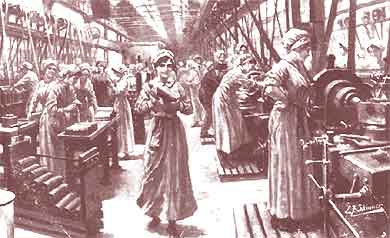
These hold ups and the road closures were not just because of heavy earthmoving plant being moved onto the site, but by military action by the Bomb Disposal Squads of The Royal Artillery brought from their headquarters at Catterick Camp in North Yorkshire. They were called three times to the site earlier this year as live artillery shells were unearthed on the site by diggers, as well as to landfill sites across the city, filled by rubble from Grimesthorpe. The Bomb Squad were amazed to discover that in every instance, the offending explosives were not unexploded bombs, but our own shells produced at the works during the world wars. Charles Cammell & Sons Ltd, opened Cyclops Works on Saville Street in 1846 and extended to Grimesthorpe in 1865. At this time, New Grimesthorpe with its pubs, clubs, temperance halls and churches grew to accommodate the influx of families needed to satisfy the steel industries. Prior to this, Grimesthorpe had been very much a rural village with its farms lying in the shadow of Wincobank Hill, strewn along the banks of Bagley Dyke. Fed by its wheels were scissor, shear and fork makers. Leather, timber charcoal, coal and stone were all products of the period. It was the steel works that brought the railways and engineering prosperity to the area, which lasted over a century until finally both New Grimesthorpe and its industries gave back the land – never again though to have that idyllic countryside. We just hope that the new industrial development on the site enjoys a calm, prosperous future. Burngreave
Historical Society currently have an exhibition ‘Grimesthorpe
– From Farm to Fork, to Foundry… and Beyond’ at
The Clock Tower Gallery, Northern General Hospital (former Workhouse
Building) Barnsley Road entrance, 9.30am to 4.00pm Monday to Friday
until 22nd May. |

 |
 |
 |